Craving Control: What Actually Works, According To Research
Sugar cravings derail more weight-management efforts than almost anything else, which is why so many supplements target them.
Here's what the research actually supports for craving control, separate from the marketing language around it.
Why cravings happen
Sugar cravings are driven by a mix of blood-sugar swings, sleep quality, stress hormones and learned habit. A blood-sugar spike followed by a crash is one of the most common everyday triggers — which is exactly why ingredients that support steadier blood sugar show up so often in craving-control formulas.
What has real evidence
Chromium is one of the better-studied minerals for blood-sugar-related craving support. It plays a role in insulin sensitivity, and several (though not all) trials link it to modestly reduced carbohydrate cravings.
Soluble fiber, like glucomannan, has some of the more consistent evidence in this category. It physically expands with water, supporting a genuine feeling of fullness that can reduce snacking.
Protein at meals (not usually in a capsule, but worth saying) is one of the most reliably evidenced craving-control strategies there is — often more effective than any single supplement ingredient.
What has weaker evidence
Garcinia Cambogia (HCA) is one of the most heavily marketed craving-control ingredients, and also one with the most mixed research. Some small trials show modest effects; several well-designed ones show none. Treat bold Garcinia claims skeptically.
Raspberry ketone, common in this category, has essentially no meaningful human trial evidence for weight or craving effects — most support comes from animal or in-vitro studies that don't reliably translate.
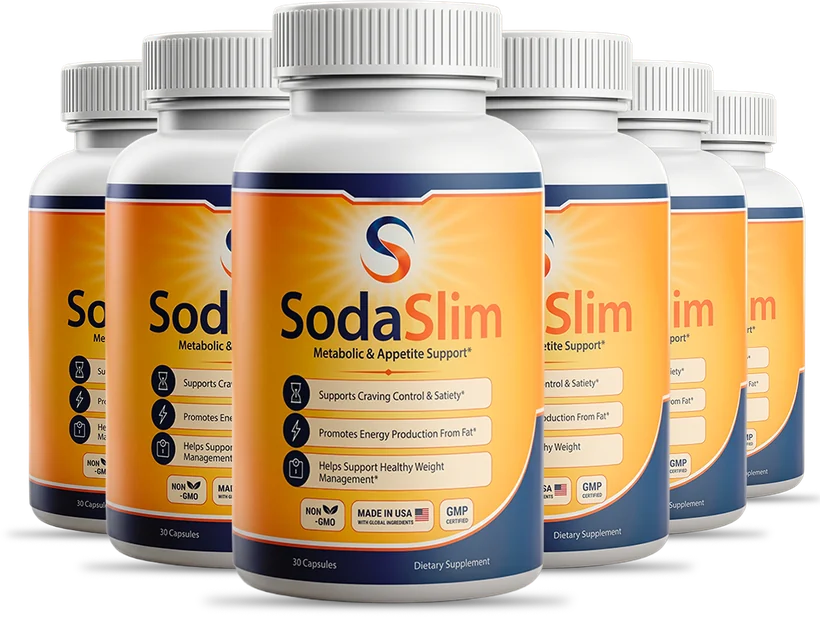
How this applies to SodaSlim
SodaSlim’s formula leans on Chromium and Glucomannan — the better-evidenced end of this category — alongside Garcinia Cambogia, which carries weaker evidence. That's a reasonably grounded mix, even if the marketing around products like this often overstates what any of them can do. See weight-loss marketing red flags for how to read those claims critically.